
Skip to content

The Digital Orientalist

Practical examples and theoretical reflections on the do's and don'ts of using digital tools for your study and research in African and Asian Studies.

Primary Navigation

  • About
    • About The Digital Orientalist
    • Team
    • Hall of Fame
    • Newsletter
  • Topics
    • African Studies
    • African Languages
    • Ancient Near Eastern Studies
    • Archiving
    • Between Legal and Illegal
    • Buddhist Studies
    • Chinese Language
    • Coding
    • DH in General
    • DH in Practice
    • Digital Cartography
    • Digitization
    • Equipment
    • Events & Conferences
    • Hardware
    • Housekeeping
    • Indian Studies
    • Islamic Studies
    • Iranian Studies
    • Islamic Languages
    • Korean Studies
    • Japanese Studies
    • Mongolian Studies
    • OCR
    • Online Resources
    • Ottoman Studies
    • Sinology
    • Social Media
    • Software
    • Syriac Studies
    • Teaching
    • Textual Analysis
    • Theory
    • Using Real Paper
    • Visualization
    • Workflow
  • Submissions
    • Submission Guidelines
  • Publications
  • The Digital Orientalist’s Conferences
    • 2025 – “AI and the Digital Humanities”
      • Titles and Abstracts
      • Conference Proceedings
    • 2023 – “Sustainability in the DH”
      • Conference Proceedings
    • 2022 – “Infrastructures”
      • Titles and Abstracts
    • 2021 – The Digital Orientalist’s Virtual Conference
      • Titles
    • 2020 – “Digital Orientalisms 2020”
  • Donate
  • Search
  • ISSN: 2772-8374

Social Navigation

  • X
  • Facebook
  • Instagram
  • YouTube
  • BlueSky
  • LinkedIn

Author: Jonathan Robker

Husband. Father. 40+. PhD + Habil. Expat American. Biblical Scholar. Reader. Writer. Often a cook.
Editor’s Digest October 2023: Middle Eastern and African Studies
Editor's Digest

Editor’s Digest October 2023: Middle Eastern and African Studies

The Digital Orientalist (DO) has been publishing for roughly a decade. In that time it has undergone many changes and … Continue reading Editor’s Digest October 2023: Middle Eastern and African Studies
Nota Bene: Software for Academic Composition
Apps, Biblical Studies, Software, Workflow

Nota Bene: Software for Academic Composition

Publishing. It’s one of the most important parts of research in academia. Yet not many programs cater to the specific … Continue reading Nota Bene: Software for Academic Composition

The Biblical Hebrew Reader Generator
Biblical Studies, DH in General, DH in Practice, Online Resources, Teaching, Textual Analysis

The Biblical Hebrew Reader Generator

This post serves as a quick introduction to a tool I recently found via Twitter: The Biblical Hebrew Reader Generator. … Continue reading The Biblical Hebrew Reader Generator

Introduction to eScriptorium, HTR for Hebrew Manuscripts, part 2
Biblical Studies, DH in Practice, Digitization, OCR, Online Resources, Software, Textual Analysis

Introduction to eScriptorium, HTR for Hebrew Manuscripts, part 2

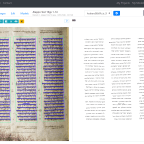
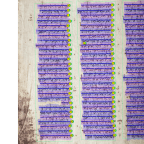
The first part of this post covered starting a project with eScriptorium and properly segmenting a page to prepare it … Continue reading Introduction to eScriptorium, HTR for Hebrew Manuscripts, part 2

Introduction to eScriptorium, HTR for Hebrew Manuscripts, part 1
Biblical Studies, DH in Practice, Digitization, OCR, Online Resources, Software, Textual Analysis

Introduction to eScriptorium, HTR for Hebrew Manuscripts, part 1

Exegetes interested in textual criticism need ready access to digitized and digitalized versions of Hebrew manuscripts so that they must … Continue reading Introduction to eScriptorium, HTR for Hebrew Manuscripts, part 1

Organizing Browser-heavy Workflows
DH in General, DH in Practice, Online Resources, Software, Workflow

Organizing Browser-heavy Workflows

Organizing browser items in a heavy online workflow can present challenges. Opening one tab inevitably leads to opening more tabs … Continue reading Organizing Browser-heavy Workflows

Easily Creating Synopses for Biblical Languages in Different Directions
Biblical Studies, DH in Practice, Digitization, New Post, Textual Analysis, Visualization, Workflow

Easily Creating Synopses for Biblical Languages in Different Directions

Synopses represent an important and user-friendly tool for the comparison of versions of biblical texts. Whether for deepening one’s own … Continue reading Easily Creating Synopses for Biblical Languages in Different Directions

Classical Language Tools
Ancient Near Eastern Studies, Biblical Studies, DH in Practice, Online Resources, Textual Analysis, Workflow

Classical Language Tools

Visitors to my personal blog know that I am currently wrestling with a particular Greek biblical tradition of the book … Continue reading Classical Language Tools

Introduction to the NTVMR
Biblical Studies, DH in General, DH in Practice, Online Resources, Software, Textual Analysis, Visualization, Workflow

Introduction to the NTVMR

Today’s contribution was written by Greg Paulson. Paulson is a research associate at the Institute for New Testament Textual Research … Continue reading Introduction to the NTVMR

Biblical Studies: Material Culture Online and in the Classroom
Ancient Near Eastern Studies, Biblical Studies, DH in Practice, Online Resources, Teaching

Biblical Studies: Material Culture Online and in the Classroom

My recent posts have focused on the biblical text and ways to access it online. Here I will turn to … Continue reading Biblical Studies: Material Culture Online and in the Classroom

Posts navigation

Older posts
Website Powered by WordPress.com.
The Digital Orientalist
Website Powered by WordPress.com.
  • Subscribe Subscribed
    • The Digital Orientalist
    • Join 334 other subscribers
    • Already have a WordPress.com account? Log in now.
    • The Digital Orientalist
    • Subscribe Subscribed
    • Sign up
    • Log in
    • Report this content
    • View site in Reader
    • Manage subscriptions
    • Collapse this bar
 

Loading Comments...