
My name is Shiva Mihan, and I have contributed to Iranian Studies at The Digital Orientalist for several years. I am delighted to have recently started as the Editor for African Studies, and I look forward to supporting and advancing the growing body of scholarship in this field. I currently serve as Curator of Islamic Collections at the British Museum, where my work primarily focuses on collections and exhibitions relating to the Persianate world. My research interests include manuscript production, art patronage, and codicology across the Islamicate lands, particularly between the 14th and 19th centuries. I am also deeply committed to fostering greater visibility and appreciation for African heritage through digital initiatives, with a special interest in digitised manuscripts and artistic collections representing Africa’s diverse cultures.
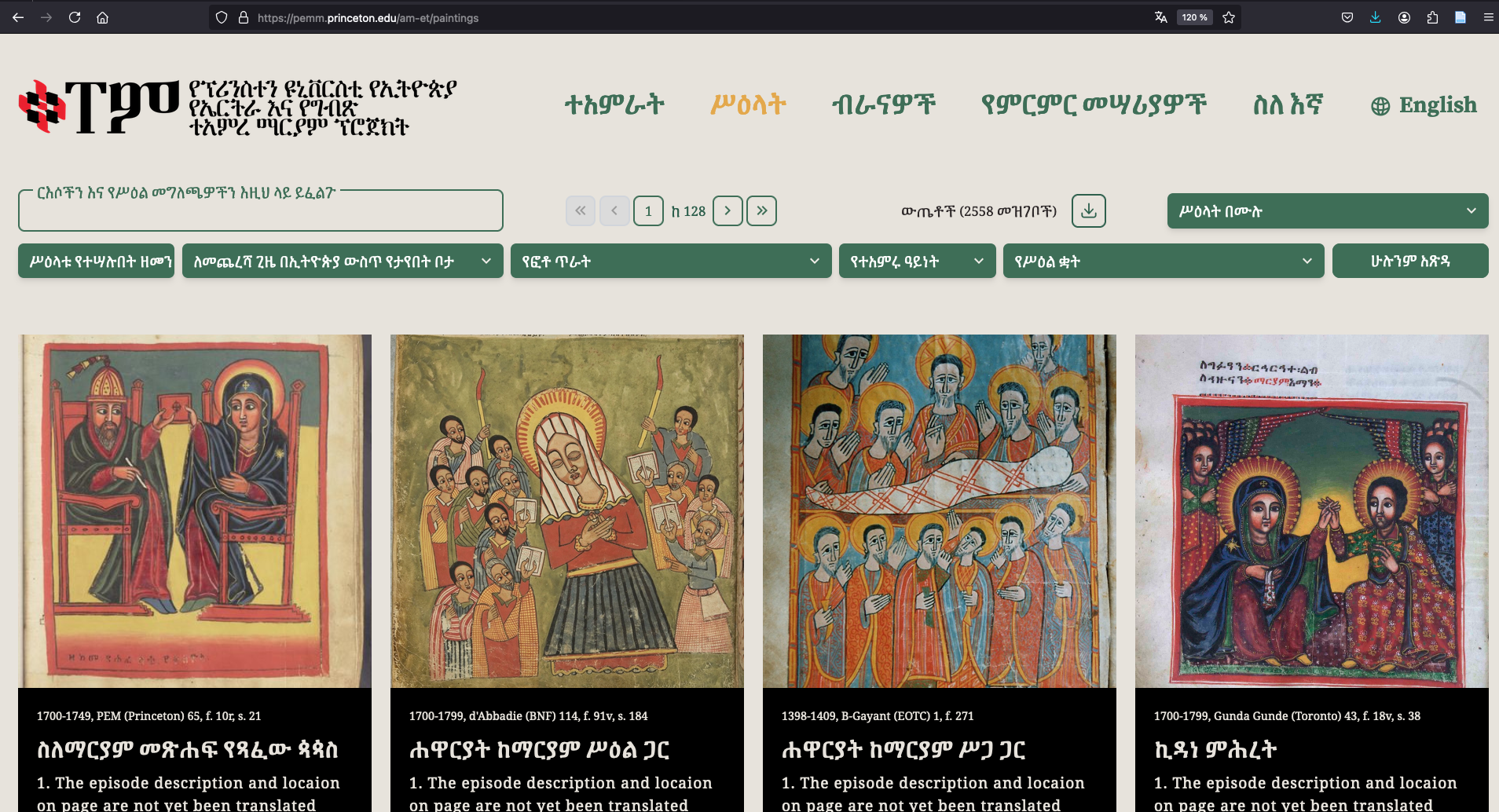
One of the standout posts in African Studies from the past few months comes from Anaïs Wion, whose article “Ethiopic Miracles: A Database to Link Images and Texts of Marian Miracles” (December 31, 2024) introduces an innovative database, linking images and texts in Ethiopian miracle manuscripts. This resource opens up new pathways for research into the visual and textual traditions of Ethiopia, providing scholars with the opportunity to explore Marian miracles as they are depicted in the medieval Ethiopian religious manuscripts. Wion’s work sheds light on the rich and complex relationship between religious imagery and narrative texts in Ethiopia, making it an invaluable tool for scholars working in the field of African and religious studies.
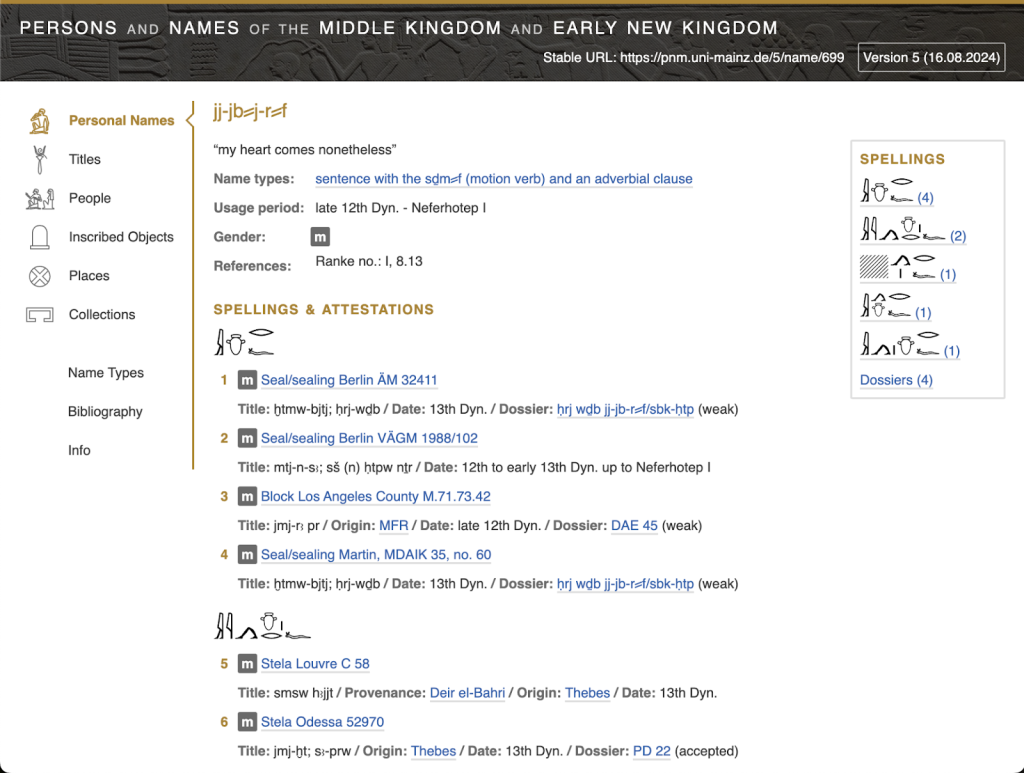
Another fascinating contribution was by So Miyagawa, who introduces a detailed prosopographic database of ancient Egyptian society, focusing on the Middle and Early New Kingdom periods in his post “Digital Prosopography of Ancient Egyptian Society Using LOD: The Persons and Names of Middle Kingdom and Early New Kingdom Database” (December 3, 2024). This innovative digital resource utilises Linked Open Data (LOD) to map the names and personal details of ancient Egyptians, offering unprecedented insights into their social networks and daily lives. This project brings an essential digital dimension to the study of Egyptian history and culture, providing a dynamic tool for researchers in Egyptology and digital humanities.
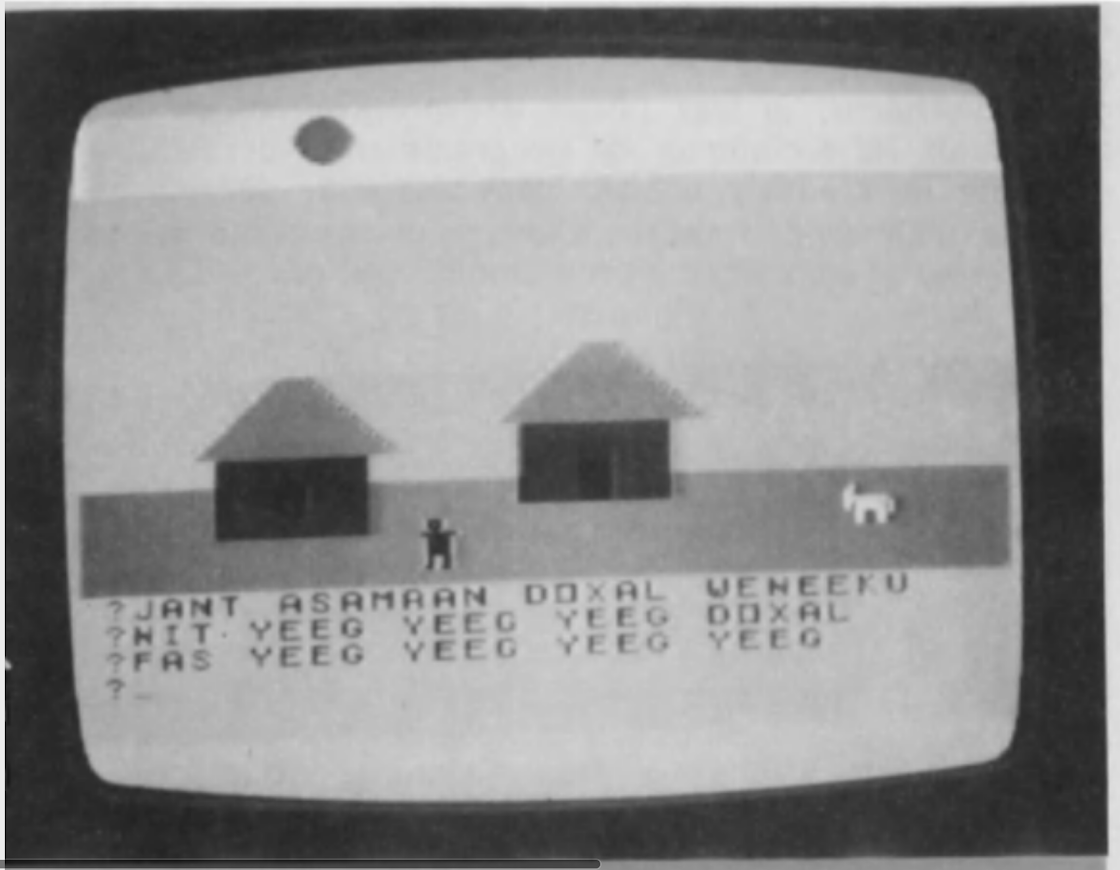
The African Studies team also welcomed a guest post from Anna Osterlow, “African Tech Inventions, Inclusive AI and Digital Innovation: A Historical Perspective“ (October 15, 2024). Osterlow challenges current narratives around African technological innovation by exploring the overlooked history of computing in Africa since the 1980s. Examining examples like the adaptation of LOGO software in Wolof at the University of Dakar, this piece demonstrates how African tech pioneers have long advocated for digital tools adapted to African languages and contexts, providing historical perspective to contemporary debates about inclusive AI and technological decolonisation.
Finally, Elizabeth Bishop’s timely and thought-provoking post, “Decolonizing Algeria’s Academic Journals” (January 21, 2025) features an insightful interview with Younes Saaid, Scientific and Technological Information Officer at the Centre of Research in Social and Cultural Anthropology (CRASC), Algeria. Saaid reflects on the legacy of colonialism in Algerian academic publishing, the significance of the San Francisco Declaration on Research Assessment (DORA), and the role of digital platforms such as the Algerian Scientific Journal Platform (ASJP). This conversation foregrounds the challenges and possibilities of decolonising academic structures and underscores the importance of transparency, integrity, and inclusivity in scientific publishing. Bishop’s post is a valuable contribution to the broader dialogue around postcolonial knowledge production and the digital tools that can help reshape it.

 The Digital Orientalist