
My previous work on Sindhi literature in post-Partition involves PG Sindhi Library, Sindhi Halchal Archive, and Sindhi Sanchaya. Posts dealing with each of these projects can be found here. In this post, I discuss an oral history project from libraries that house Sindhi books in India. In the process of learning about Sindhi language and literature and while working on Sindhi Sanchaya, I came across these libraries and their journeys of struggles around preserving Sindhi books and reading-writing culture. In the citation-obsessed Western orientation of scholarship, their perspectives and existence are likely to be wiped out unless systematically documented. Traditional literary histories often concentrate almost exclusively on authors, canonical texts, and stylistic movements. In contrast, this oral history project titled “Infrastructures around Sindhi Literature – Interviews Related to Institutions and Libraries” available on YouTube, holds around 25 videos of interviews conducted with representatives of libraries based in Mumbai and Gujarat. The questions revolved around the history of these institutional and individual initiatives: the kinds of books they hold, and the way they have managed to work towards caring for Sindhi books.
Directing attention towards book history and cultural infrastructure, the series asks:
- How do minority-language books get published, catalogued, housed, and circulated when there is no state-level public library mandate backing them?
- Who are the custodians, volunteers, and visionaries building collections from scratch?
- How did refugee townships and diaspora institutions evolve into vibrant centres of literary preservation?
By adopting an oral history methodology, the oral histories capture firsthand testimonies that demonstrate how institutional infrastructure is not a passive backdrop to literature, but a condition that ensures its survival.
Among the libraries that chose to respond on camera are:
- Lekhraj Aziz Sindhi Library & Research Centre (Ulhasnagar): Showing the emergence of Ulhasnagar—originally a major military transit barracks turned refugee camp—as a crucible of post-Partition Sindhi intellectual life.
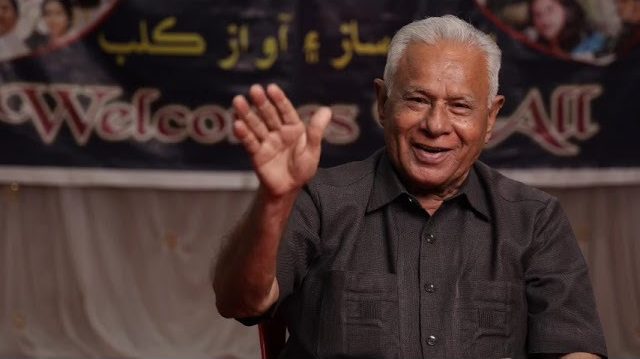
- N. R. Malkani Library: Sharing how institutional collections emerged amidst natural calamities such as the 2001 earthquake, post-displacement reconstruction and educational empowerment, illustrating the perseverance required to establish reading spaces.
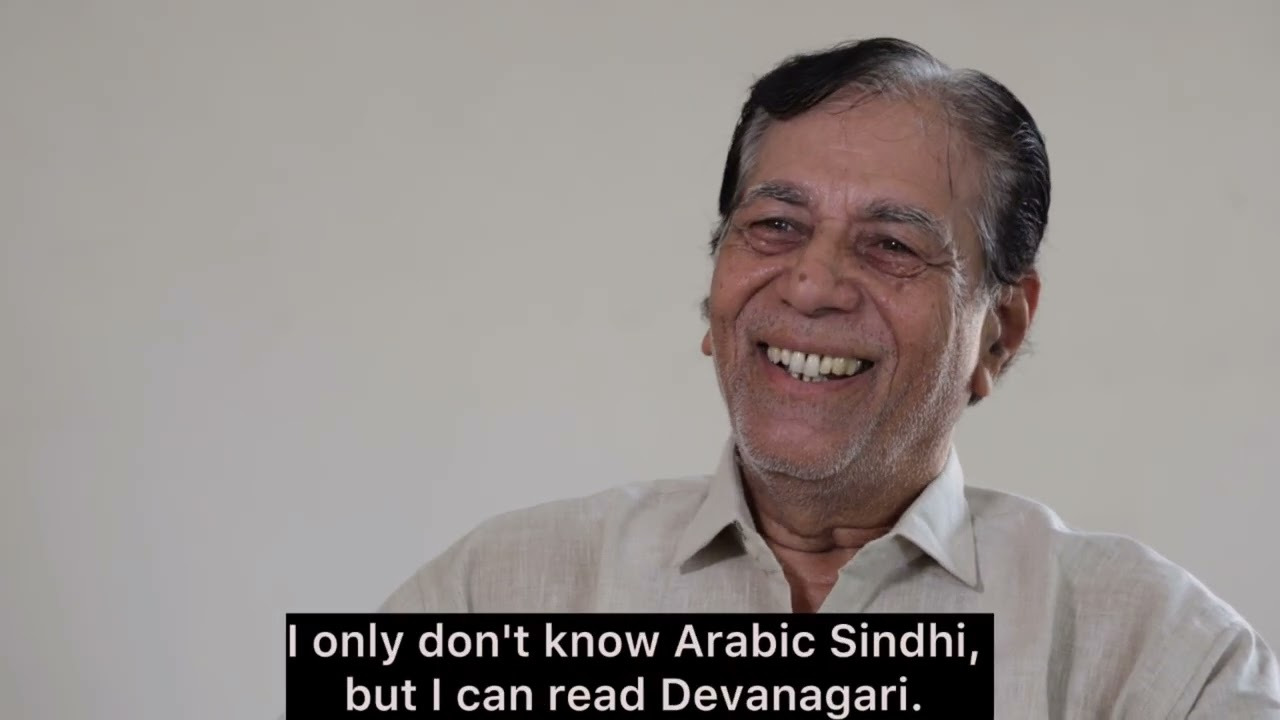
- The Indian Institute of Sindhology (Adipur-Gandhidham, Kutch): Featuring insights that highlight the monumental institutional effort undertaken in Gandhidham and Adipur to build an archival home for Sindhi music, literature, rare manuscripts, and ethnographic material.
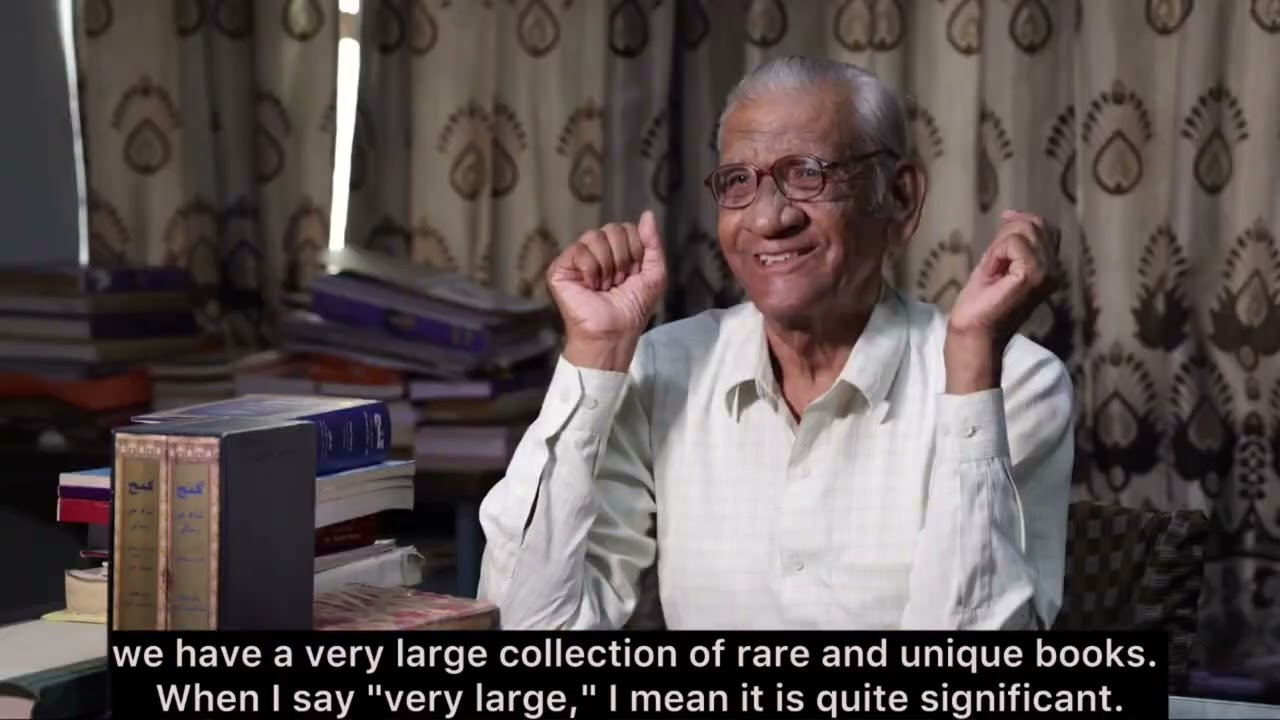
- Collegiate Collections in Mumbai and Thane: Dialogues with academic leaders examining the role of higher education trusts (such as the Hyderabad (Sind) National Collegiate Board) in maintaining academic libraries.
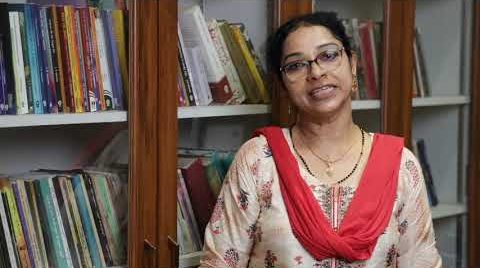
Writers, readers, and independent scholars who chose to be interviewed are:
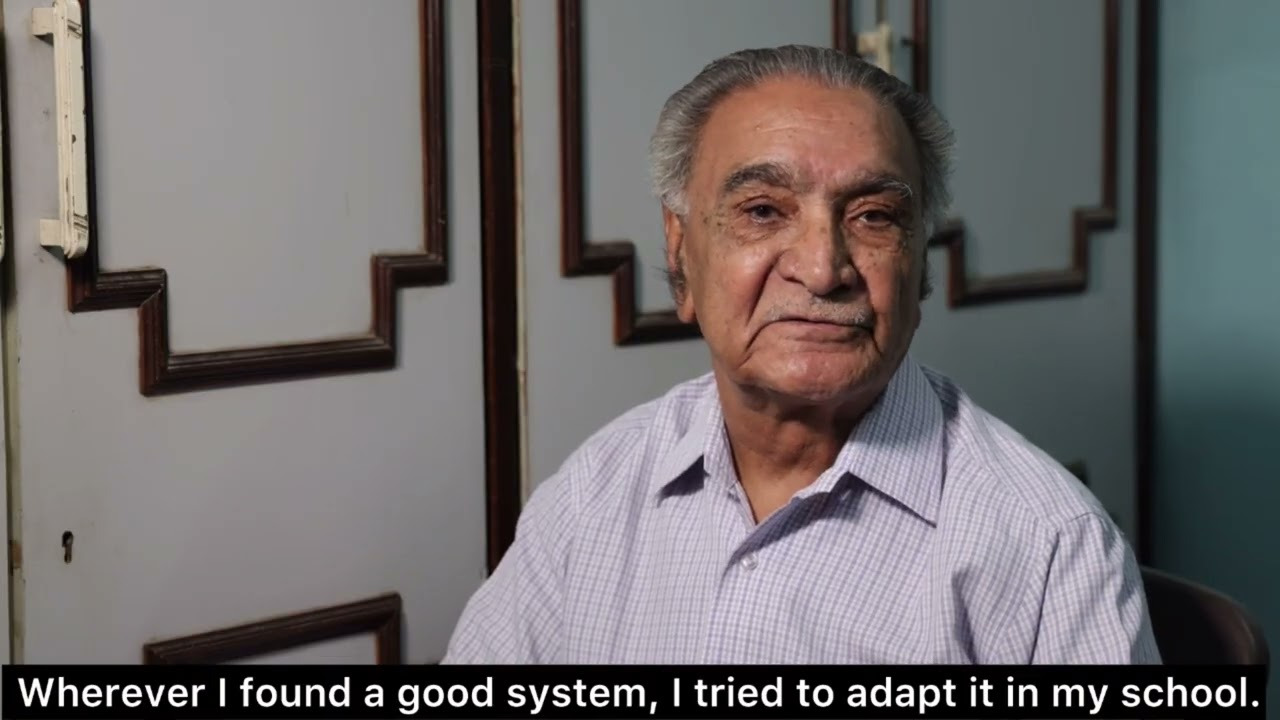
- Dr Jetho Lalwani (Playwright, Author, and Sahitya Akademi Awardee): Reflecting on his lifelong engagement with library science, second-hand book markets, and innovative reading programmes designed to place Sindhi books into the hands of schoolchildren and young scholars.
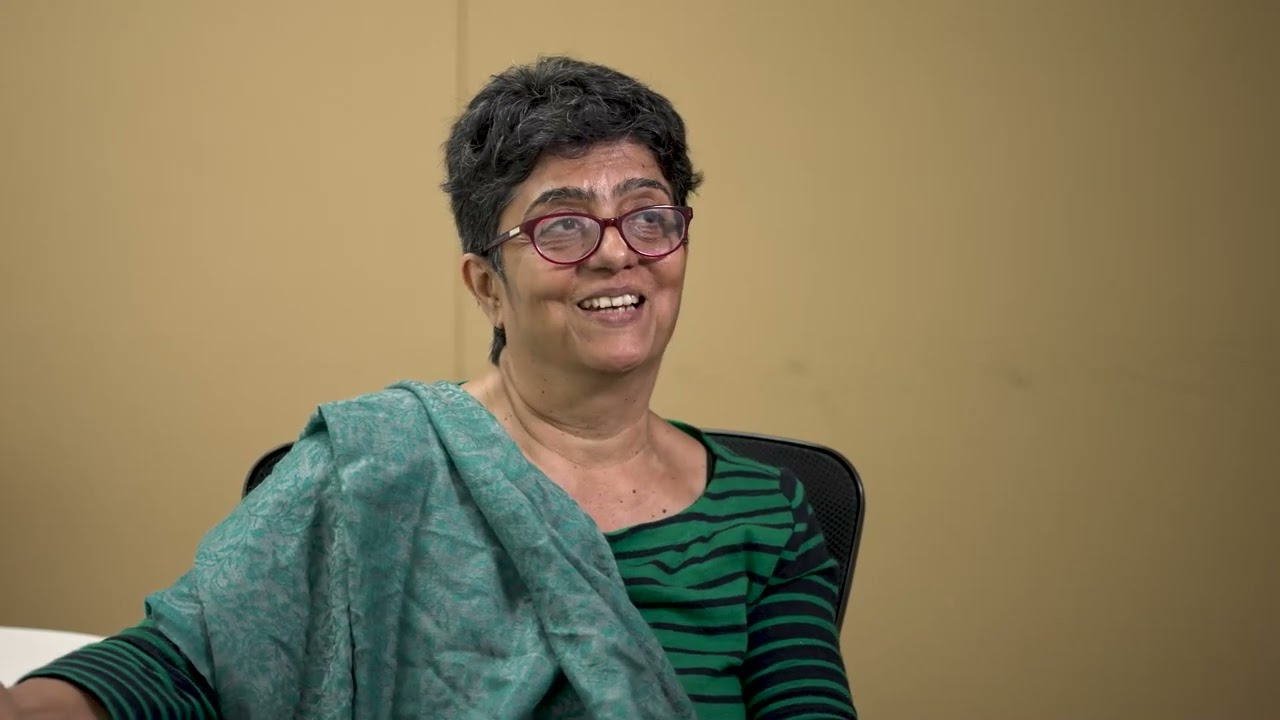
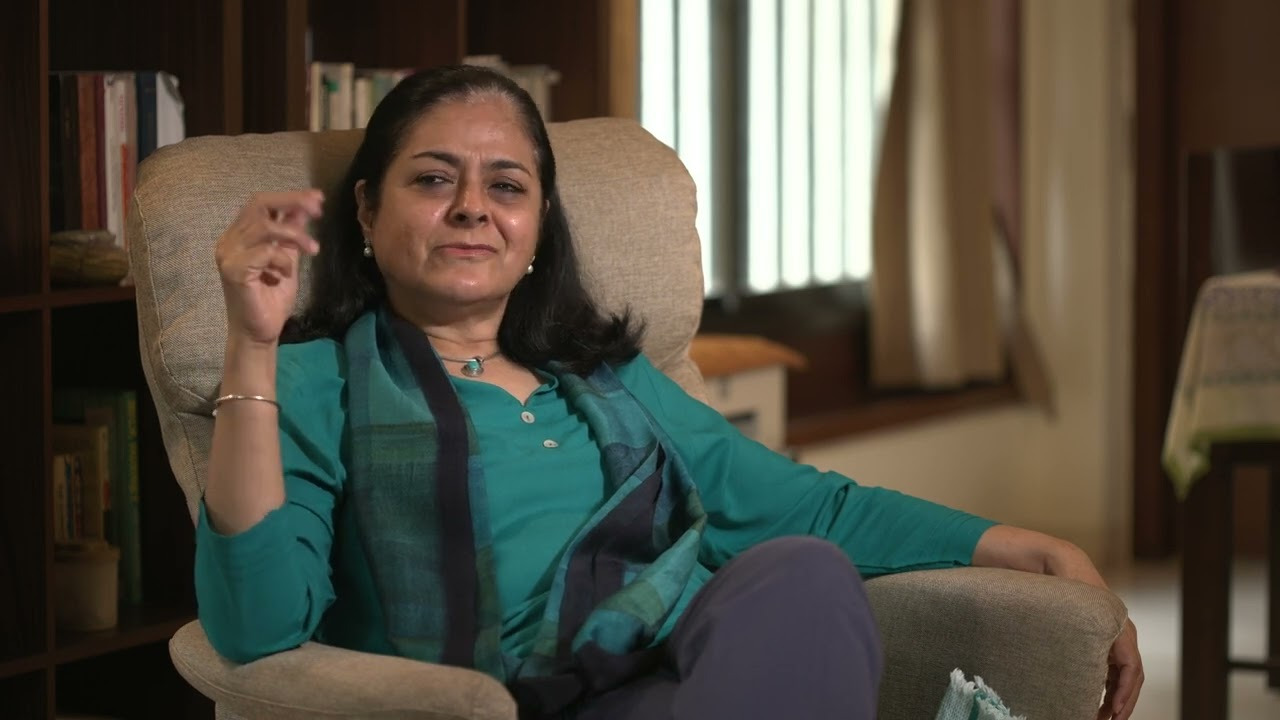
- Nandita Bhavnani & Saaz Aggarwal: Sharing their journeys into the archives of Sindhi history, discussing the scarcity of primary documentation, the nuances of translating and publishing diaspora experiences, and the emotional resonance of engaging with pre- and post-Partition texts.
Takeaways from the Project
As libraries begin to disappear from larger social and educational contexts in India, these conversations bring general readers and scholars closer to libraries as institutions that one cannot afford to take for granted. Within popular imagination, libraries might be easily dismissed as analogue spaces or as the gigantic institutions that allow tech giants like Google to digitise their collections. These Sindhi libraries, in contrast, talk about passion, care, and cry for support. Most speakers and the lives they have lived show that running libraries is a form of cultural activism.
Further details about the project and its findings can be found in this research paper. “Infrastructures around Sindhi Literature” emerged from the realisation that preserving cultural infrastructure increasingly depends on it being documented digitally before it’s lost. I hope this mini-project makes sense to fellow DH-enthusiasts.
