

Skip to content

The Digital Orientalist

Practical examples and theoretical reflections on the do's and don'ts of using digital tools for your study and research in African and Asian Studies.

Primary Navigation

  • About
    • About The Digital Orientalist
    • Team
    • Hall of Fame
    • Newsletter
  • Topics
    • African Studies
    • African Languages
    • Ancient Near Eastern Studies
    • Archiving
    • Between Legal and Illegal
    • Buddhist Studies
    • Chinese Language
    • Coding
    • DH in General
    • DH in Practice
    • Digital Cartography
    • Digitization
    • Equipment
    • Events & Conferences
    • Hardware
    • Housekeeping
    • Indian Studies
    • Islamic Studies
    • Iranian Studies
    • Islamic Languages
    • Korean Studies
    • Japanese Studies
    • Mongolian Studies
    • OCR
    • Online Resources
    • Ottoman Studies
    • Sinology
    • Social Media
    • Software
    • Syriac Studies
    • Teaching
    • Textual Analysis
    • Theory
    • Using Real Paper
    • Visualization
    • Workflow
  • Submissions
    • Submission Guidelines
  • Publications
  • The Digital Orientalist’s Conferences
    • 2025 – “AI and the Digital Humanities”
      • Titles and Abstracts
      • Conference Proceedings
    • 2023 – “Sustainability in the DH”
      • Conference Proceedings
    • 2022 – “Infrastructures”
      • Titles and Abstracts
    • 2021 – The Digital Orientalist’s Virtual Conference
      • Titles
    • 2020 – “Digital Orientalisms 2020”
  • Donate
  • Search
  • ISSN: 2772-8374

Social Navigation

  • X
  • Facebook
  • Instagram
  • YouTube
  • BlueSky
  • LinkedIn

Tag: Maithili Manuscripts

‘READ Workbench (part 2): Digital Repatriation, Pedagogy and Transnational Heritage’
Archiving, Digitization, Indian Studies, Online Resources, Software, Teaching, Textual Analysis

‘READ Workbench (part 2): Digital Repatriation, Pedagogy and Transnational Heritage’

Introduction: The READ Workbench and its Potential The READ (‘Research Environment for Ancient Documents’) Workbench, originally designed for interpreting and … Continue reading ‘READ Workbench (part 2): Digital Repatriation, Pedagogy and Transnational Heritage’
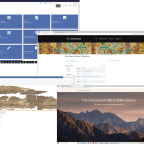
READ Workbench (Part 1): An Introduction to a Text and Image Annotation Ecosystem
Buddhist Studies, DH in Practice, Digitization, Indian Studies, Online Resources, Software, Textual Analysis, Topics

READ Workbench (Part 1): An Introduction to a Text and Image Annotation Ecosystem

The ‘Research Environment for Ancient Documents’ (or ‘READ‘) is an ecosystem of open-source tools and platforms for the creation of … Continue reading READ Workbench (Part 1): An Introduction to a Text and Image Annotation Ecosystem

Website Powered by WordPress.com.
  • Subscribe Subscribed
    • The Digital Orientalist
    • Join 334 other subscribers
    • Already have a WordPress.com account? Log in now.
    • The Digital Orientalist
    • Subscribe Subscribed
    • Sign up
    • Log in
    • Report this content
    • View site in Reader
    • Manage subscriptions
    • Collapse this bar