
The Digital Orientalist (DO) has been publishing for roughly a decade. In that time it has undergone many changes and a few iterations, with new content, new types of content, and new research areas being added over the years. The editor-in-chief and the editors decided to try a new form of content this season. Every few months, one of the area editors will provide an overview of the published material from their field of research that has appeared on DO. Through this, we hope to continue the conversations from our contributors’ pieces, as well as remind you of any pieces you might have missed. Since we publish twice a week, you can easily overlook something that might interest you or have implications for your field, even though you might not have thought as much from a first glance. That’s enough introduction of this new style. So, let’s turn to the content.
I’m Jonathan Robker, the editor for Middle Eastern and African Studies. We’re a large group of contributors, so let me take a minute to discuss some of our most recent pieces and give some insight into what’s still to come this season.
Zachary Butler has been developing and delivering an in-depth guide for using the New Testament Virtual Manuscript Room (NTVMR). Part 1 introduced the NTVMR, how to register, find manuscripts, and even identify where better digital photographic facsimiles may be available. Part 2 addressed indexing and transcribing manuscripts, as well as identifying aids for deciphering ligatures. His most recent post, part 3, describes some ways to manipulate and better utilize the data in your transcription. This goes beyond accessing the text of the manuscript and into gaining insights about potentially relevant distinctions. Future posts (the next one is slated for January 2024) will develop this process and detail some of the coding behind it.
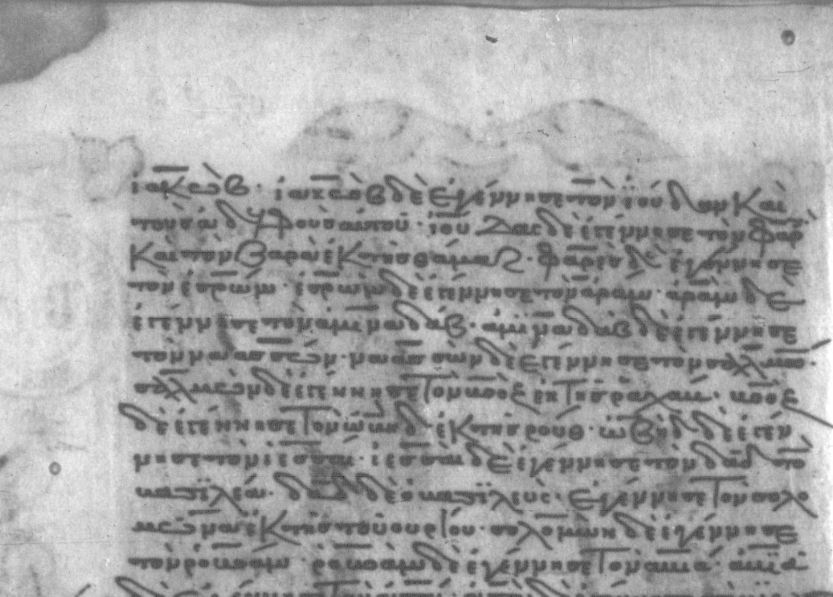
Tyler Kynn’s work always inspires me with new ideas, particularly for my work in the classroom. His most recent contribution dealt with video games in the classroom, particularly in regards to the non-western world. In this piece, he offers examples of some video games he’s used in the classroom, as well as describing the opportunities (emersion) and potential pitfalls (distraction) of using this technology. His older pieces covered digital reconstructions of 3D scenes and a tool for digital story telling. I commend these pieces for scholars beyond Middle Eastern and cognate studies, since they provide insights and overviews that easily translate into other fields of research. His next post (on Transkribus in the classroom) will go live in less than two weeks, so make sure to check back for it!
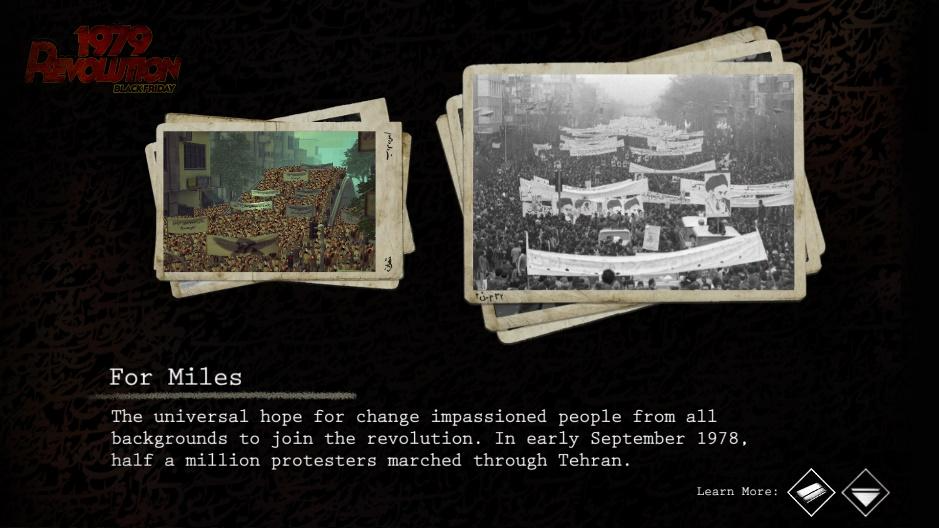
Shiva Mihan collated an excellent collection of digital resources for Persian manuscripts. It has great links for a breadth of resources for anyone in the field. She covers the globe, starting with the resources available from Iranian institutions and moves from there to the rest of the world. She even links to some resources that house generally inaccessible manuscripts. Importantly, she made a call to action for anyone who has other resources to add. See if the resources you need are there or if some of your favorites are missing. If so, let us know so that we can add them to Shiva’s list! Expect another post from Shiva towards the end of 2023.
Anaïs Wion started contributing to our team on African studies last season. She has covered some excellent resources for scholars in the field of African languages and linguistics more generally. For example, in her last post of the season last year, she introduced Cocoon—a platform for documenting the world’s linguistic diversity. This season, her first post covers research projects developing HTR resources for Ethiopian languages. This post, as well as her others, provide solid insight for the collaborative development of transcriptional tools that can aid linguists from any field looking to develop digital resources for text recognition. She’ll continue to educate us in 2024!

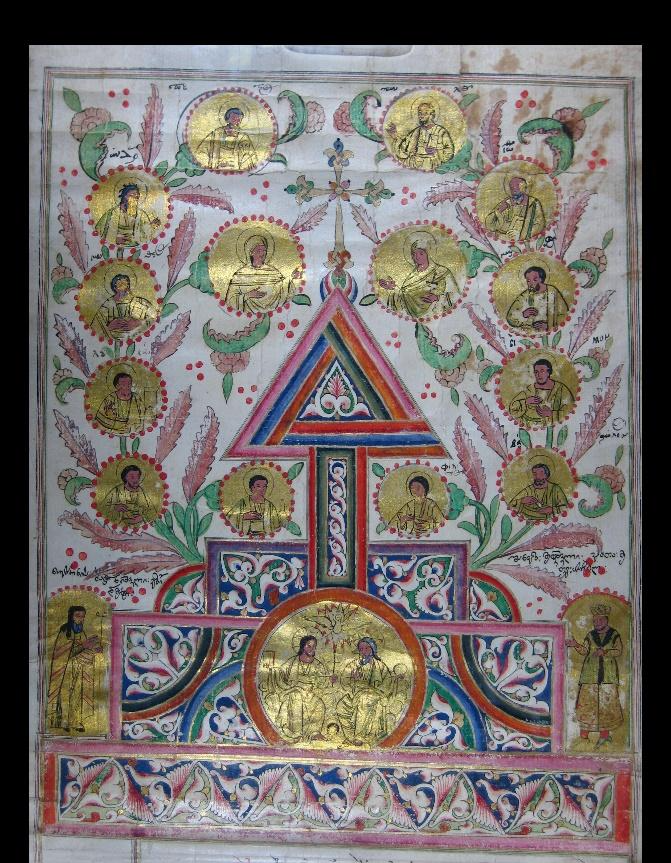
We’ve had the privilege of some great guest posts, as well. Helen Giunashvili has contributed a piece on Georgian-Persian illuminated historical documents, with examples from some of the most important collections in Georgia. She’s provided excellent historical context for these exceptional documents, as well as a description of the process behind their digitization. She even secured several digital images of these beautiful manuscripts. The piece certainly merits a look for that reason alone. She has more on the way!
Sarah Blake LaRose contributed a guest post on the accessibility of texts and tools in ancient studies. Though her background is in biblical and ancient Near Eastern literatures, her insights are relevant for anyone engaging critically with texts in digital environments. We hope to have her back in the near future! Other exciting guest contributions are being finalized, with some especially exciting pieces on African studies on the way (as a teaser: one of them focuses on using digital tools to decolonize western interpretations of non-western cultures and histories).
Additionally, before the end of the year, expect new material from our returning contributors Theodora Zampaki (Greco-Arabic studies), Ephrem Ishac (Syriac studies), and Elizabeth Bishop (North-African studies, with some interviews from DAVO 2023 coming soon). Beyond that, some new team members this season have upcoming posts: Özge Eda Kaya (Ottoman studies with a post on RAWGraphs in about five weeks) and Dena Shamsizadeh (Persian studies with a piece on using the Arches platform to better understand artifacts in museums in two weeks). It’s an exciting time, so be sure to check back regularly!

 The Digital Orientalist
2 thoughts on “Editor’s Digest October 2023: Middle Eastern and African Studies”